Plate 01
What is fractal art
Where the word comes from, what self similarity means, the main families of fractals and what separates art from a plain plot.
Read the guide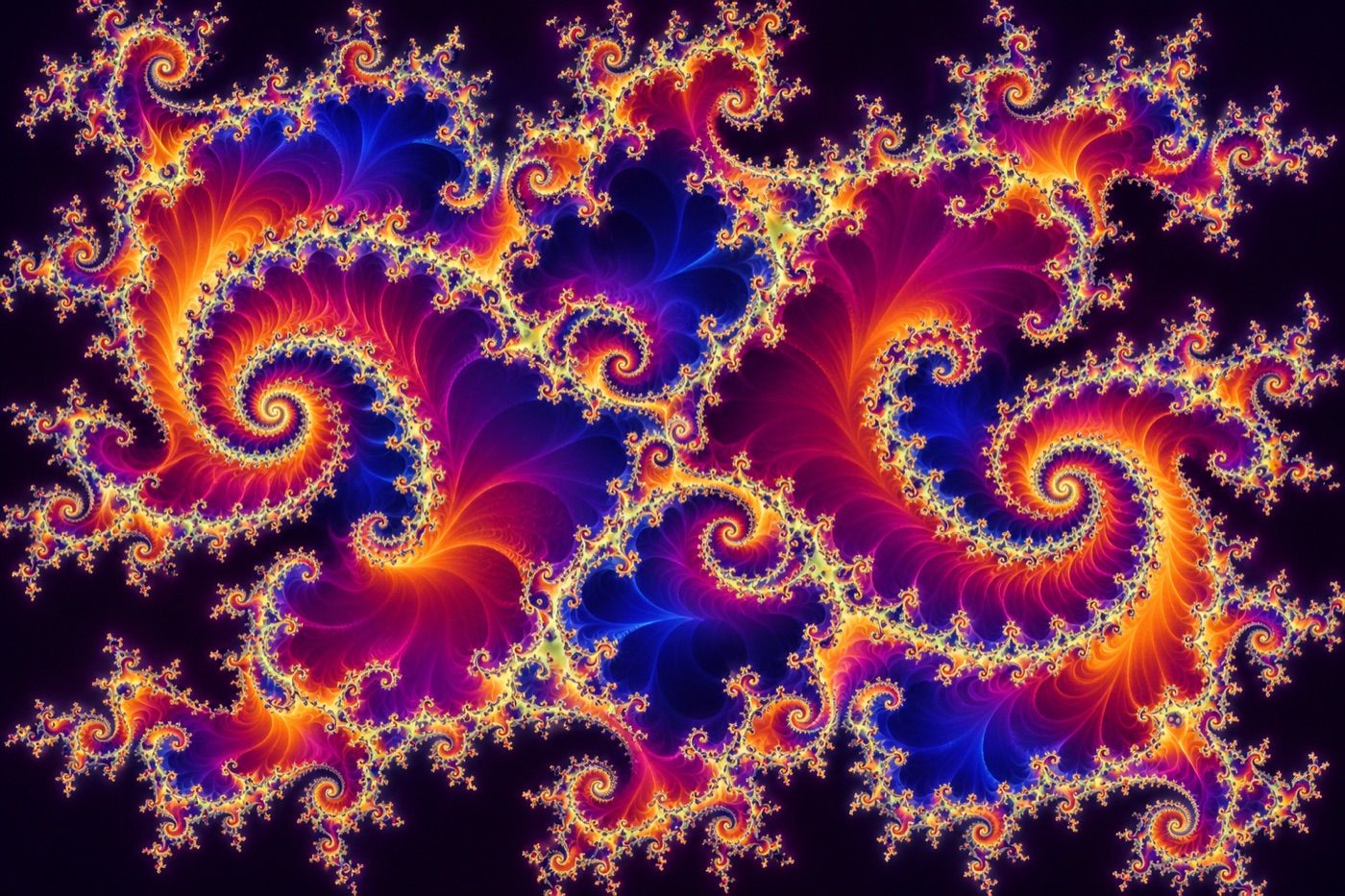
Plate 00 / An independent guide to fractal art
What fractal art is, how the Mandelbrot set and fractal flames are calculated, which software makes them, how fractals mix with photography and how to print and look after the result.
The fractal art atlas
Fractal art starts with a rule that is repeated many times. A computer applies the rule to millions of points, turns the results into colour and the artist chooses where to look, which palette to use and how to finish the picture. What is fractal art explains the idea in plain terms, from the origin of the word to the main families of fractals.
The two most famous pictures come from the same formula, z squared plus c. In the Mandelbrot set you vary c and always start at 0. In a Julia set you hold c still and vary the start. The hero above shows a Julia set that follows your pointer, and the plate below dives into the Mandelbrot set itself.
If you want to make something, the software guide compares programs and how to make fractal art gives a step by step workflow. When a picture is ready, read about giclee printing and print care.
Plate 01 / The Mandelbrot set
Scroll to zoom toward a spot in seahorse valley. The readouts show where you are. The detail never runs out, but this demo stops at about 2000 times because the graphics card can only count so finely.
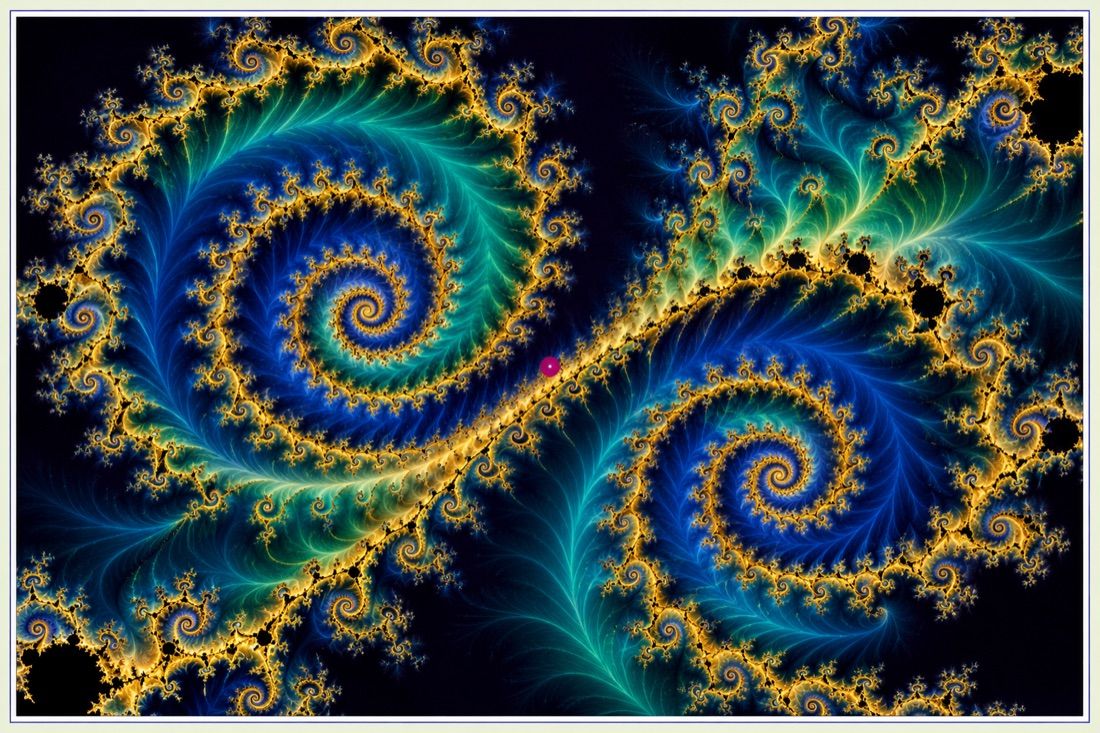
A main cardioid, round bulbs and a line of smaller copies. Black points never escape.
Between the cardioid and the first bulb the edge curls into spirals that resemble seahorse tails.
Every deeper view shows more filaments. Real deep zooms continue far beyond this demo, with special arithmetic.
Plate 02 / Iterated function systems
Four simple rules, applied to a point chosen at random with fixed odds. Scroll to plot more points and watch the shape appear. This is the chaos game, the plain ancestor of the fractal flame algorithm.
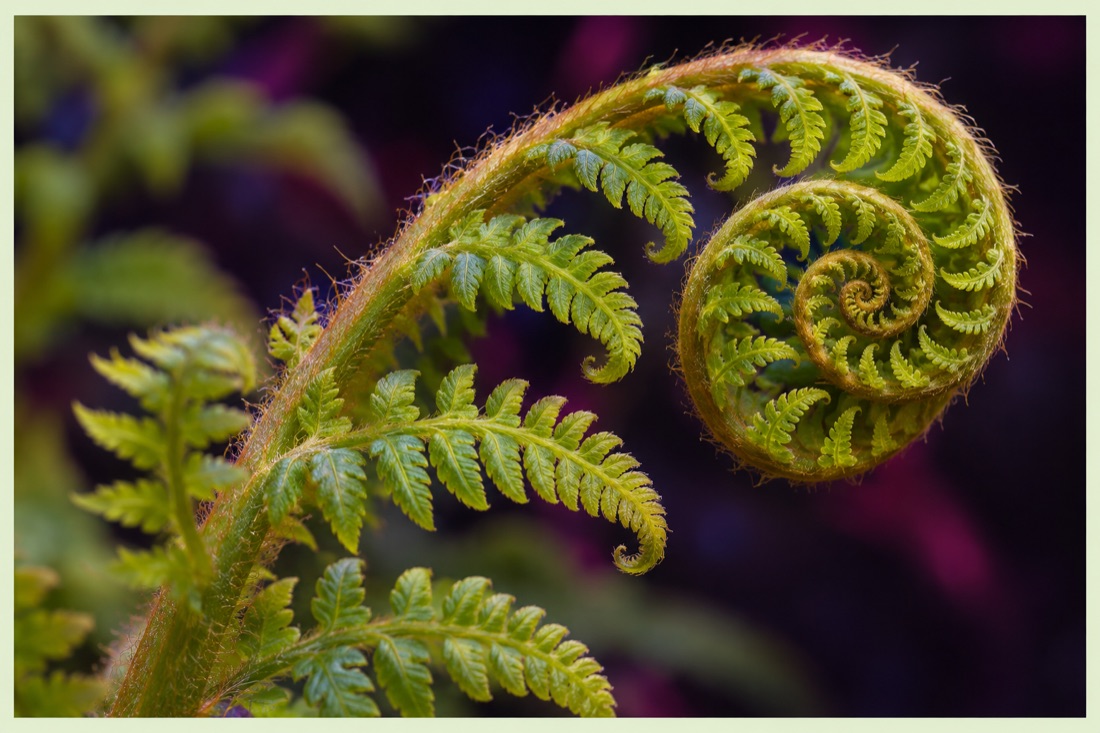
Plate 03 / Nature and the lens
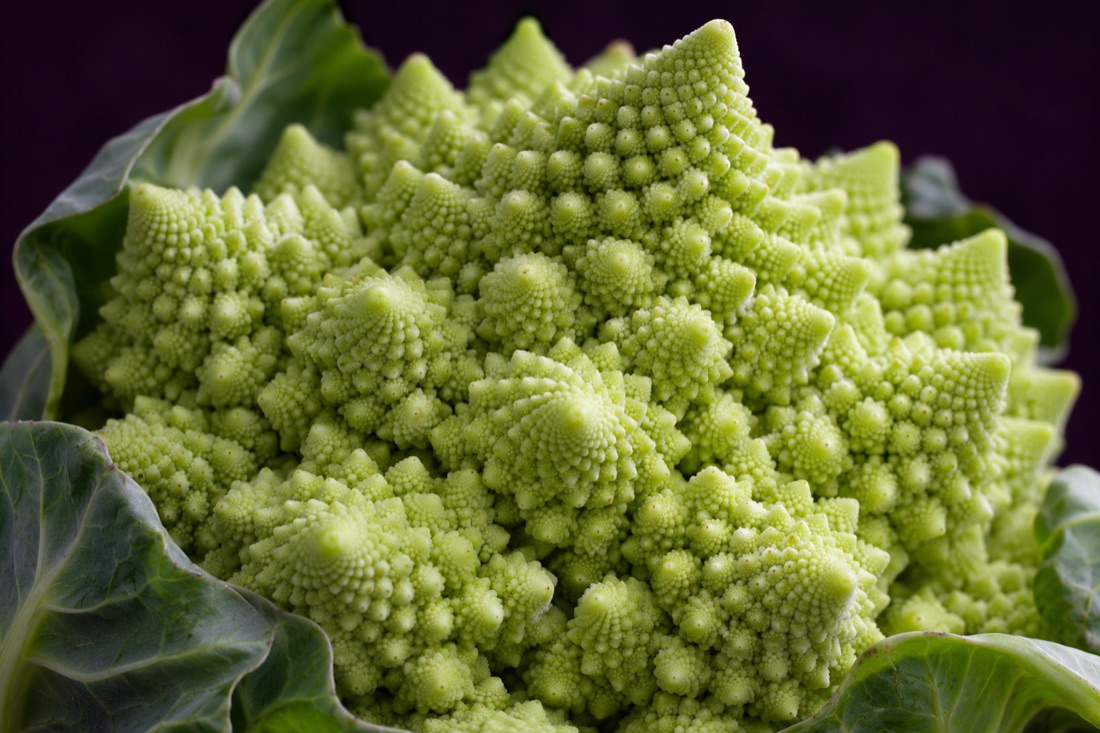
Ferns, Romanesco cauliflower, river deltas, frost and tree crowns repeat their shapes at several scales. Real objects do it only approximately and only over a limited range, which makes them good subjects for a camera and a poor match for the pure mathematics.
Fractal art and photography covers how to photograph those patterns, how to place a fractal render over a photo with blend modes and masks, how to build a gradient from the colours of a picture and how to say honestly what is rendered and what is photographed.
The atlas index
Plate 01
Where the word comes from, what self similarity means, the main families of fractals and what separates art from a plain plot.
Read the guidePlate 02
The rule z squared plus c, how one point is tested, why colour is a choice and why very deep zooms need more precision.
Read the guidePlate 03
Both use z squared plus c. One fixes the start and varies c, the other fixes c and varies the start. The home page hero lets you pick c.
Read the guidePlate 04
Random points, weighted transforms, curved variations and log density: the method behind soft, glowing flame pictures.
Read the guidePlate 05
Escape time explorers, 3D renderers, flame editors and browser tools, and what to check before you pick one.
Read the guidePlate 06
A seven step workflow from choosing a program to exporting a large file, plus simple ways to start by hand.
Read the guidePlate 07
Fractal patterns in nature photos, fractal renders as layers and colour sources, and why glass fractal filters are a different thing.
Read the guidePlate 08
What the word means, how it differs from photo and office printing, which papers and canvases are used and what to check before ordering.
Read the guidePlate 09
Light, glass, humidity, handling and storage: practical care for paper and canvas prints, with the reasons behind each rule.
Read the guideQuick answers